


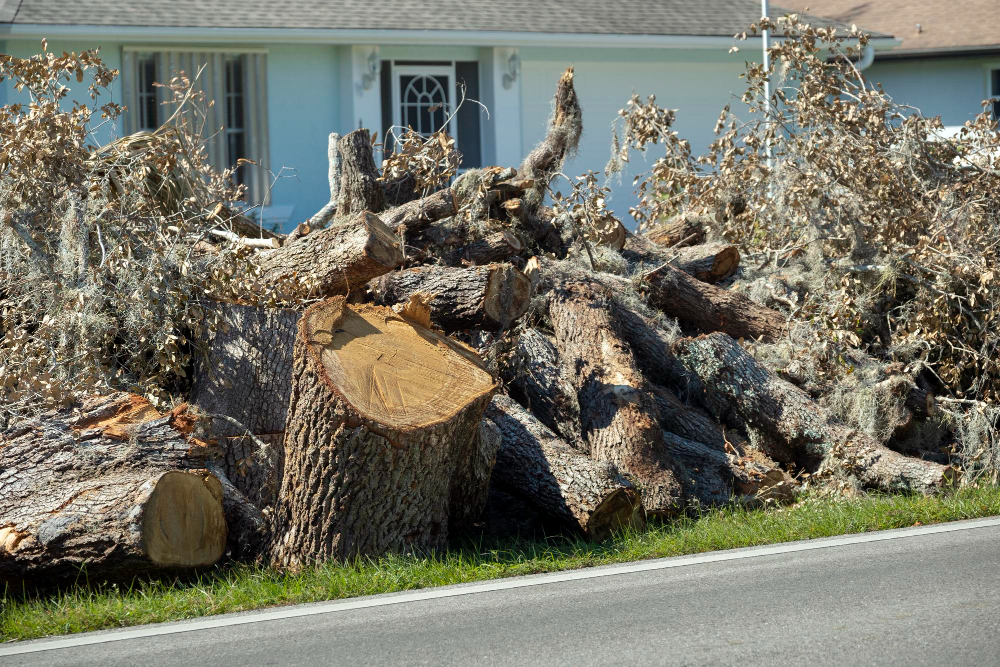
Severe weather can transform a healthy yard into a hazard zone in minutes, and knowing how emergency tree removal in Central Ohio works is the difference between a quick recovery and a much bigger problem. A fallen trunk, a split limb resting on a roof, or a tree leaning into power lines all demand a response that's faster and more careful than routine tree work.
When a severe storm hits Central Ohio, fallen or damaged trees can create dangerous situations that need immediate attention. Emergency tree removal services are available 24/7 in Central Ohio to handle storm damage, fallen branches, and trees that threaten your home or property. These situations require quick action to protect your family and prevent further damage.
Dealing with a tree emergency involves more than just removing the damaged tree. You need to think about safety risks, insurance claims, and whether the tree can be saved. Professional tree service companies in Central Ohio have the right equipment and training to handle these complex situations safely.
Understanding what to do after storm damage can save you time, money, and stress. This guide will walk you through the key steps of handling an emergency tree situation, from the immediate safety concerns to working with your insurance company and deciding the best course of action for your property.
In this article, we cover:
- Safety concerns immediately after a storm
- Complexities of storm-related tree removal
- Navigating insurance and documentation
- Assessing tree salvage versus removal
- Importance of prompt cleanup
Keep reading to learn exactly how to protect your family, your property, and your insurance claim in the critical hours after a storm.
Safety concerns immediately after a storm
Storm damage creates urgent safety hazards that require careful attention before any cleanup begins. Downed power lines, unstable branches, and compromised structures pose serious risks that can cause injury or death if handled improperly.
Hanging limbs can remain hazardous
Branches that appear secure after a storm can fall without warning. These "widow makers" often hang in damaged trees or rest against other limbs, creating unstable situations that shift with wind or weight changes.
You should never walk or stand under damaged trees, even if the branches look stable. Hanging limbs can weigh hundreds of pounds and drop suddenly. The stress of a storm weakens wood fibers in ways you cannot see from the ground.
Warning signs of dangerous hanging limbs:
- Cracked or splintered branches still attached to the trunk
- Branches caught in other trees or power lines
- Bark peeling away from limbs
- Trees leaning at unusual angles
According to the USDA Forest Service, any tree with a structural defect that makes it likely to fail in whole or in part qualifies as a hazard tree, and falling trees and limbs can drop without warning, especially after storm events. Contact a 24-hour tree removal service if you spot these conditions. Professionals have the equipment and training to safely remove unstable branches before they cause harm or property damage.
Power lines affect emergency response
Downed power lines remain energized and deadly even when they appear inactive. You cannot tell if a line carries electricity just by looking at it. Any tree or branch touching a power line becomes electrified and dangerous to approach.
Stay at least 35 feet away from downed lines and any trees or debris touching them. Per OSHA guidance, fallen wires can electrocute someone who touches the line or even the ground nearby, and they can energize fences, water pipes, trees, and buildings without any visible sign. Call your utility company immediately to report the situation. Do not attempt any tree removal until the power company confirms the lines are safe.
Emergency tree service Ohio providers will not begin work near power lines until utility workers secure the area. This delay protects workers and property owners from electrocution risks.
Do not remove trees leaning on homes without help
Trees resting against structures create complex removal challenges that require professional expertise. Cutting the wrong section can cause the tree to shift suddenly, crushing the building or injuring people nearby.
The weight distribution of a leaning tree changes as you cut it. What seems like a simple cut can release thousands of pounds of pressure in unexpected directions. Professionals use cables, cranes, and systematic cutting patterns to control how trees move during removal.
Your homeowners insurance typically covers emergency tree removal when storms cause the damage. Document the situation with photos before calling a professional service. Quick response prevents additional water damage or structural problems while the tree remains against your home.
Complexities of storm-related tree removal
Storm damage tree removal involves unique challenges that standard tree work doesn't face. Weather conditions and structural damage create safety hazards and logistical obstacles that require specialized equipment and expertise.
Wet ground limits heavy equipment access
Heavy rains that accompany storms saturate the soil around damaged trees. This makes it difficult or impossible to bring in large equipment like cranes and bucket trucks.
Your lawn and landscape suffer additional damage when operators try to move machinery across soggy ground. The weight of tree removal equipment creates deep ruts and compacts wet soil. In some cases, crews must wait for the ground to dry before they can safely position their equipment.
Alternative approaches become necessary when conditions prevent standard equipment use. Tree removal companies may need to use smaller equipment or manual rigging systems. These methods take more time and require additional skilled workers. Some companies use protective mats or plywood sheets to distribute equipment weight across soft ground.
Split trunks pose additional risks
Trees damaged by storms often have partially split or cracked trunks. These splits make the tree unpredictable during removal. You can't always see how deep the damage goes or which way the tree might fall.
A split trunk under tension can snap suddenly when workers begin cutting. This creates serious danger for removal crews and nearby property. Professionals must carefully assess the stress points before making any cuts. These hidden defects are part of the broader pattern of dead tree warning signs that homeowners should learn to recognize.
Removal teams use specialized rigging techniques to control split trees. They may need to secure sections with cables before cutting to prevent sudden movement. Each cut requires careful planning to avoid releasing stored tension in the damaged wood.
Urgency often increases labor costs
Storm damage creates immediate safety risks that demand quick response. Your need for emergency service means tree companies dispatch crews outside normal business hours.
Emergency rates typically cost more than scheduled tree work. Companies charge premium prices for nights, weekends, and holiday responses. You also pay for the crew's ability to mobilize quickly with the right equipment.
Multiple properties often need help after major storms. This high demand drives up prices and may extend wait times even for emergency services. Tree removal companies prioritize the most dangerous situations first, such as trees on houses or blocking roadways. The total time on site also varies based on job size and conditions.
Navigating insurance and documentation
When a tree damages your property in Central Ohio, your homeowners insurance may help cover removal costs depending on where the tree fell and what it damaged. Taking photos and keeping records before cleanup begins protects your ability to file a successful claim.
Coverage depends on tree location
Your homeowners insurance typically covers emergency tree removal only when the tree causes actual damage to your home or blocks necessary access. If a tree falls on your roof, garage, or fence during a storm, your policy will likely pay for both the damage repairs and tree removal. However, insurance companies usually won't cover removal costs if the tree simply fell in your yard without hitting any structures.
The tree's origin matters less than where it landed. Whether the tree was on your property or a neighbor's property, your insurance should cover the damage to your home. Most policies include coverage for trees that fall due to covered perils like wind, lightning, or ice storms.
You need to review your policy limits for debris removal. Many standard policies cap tree removal coverage between $500 and $1,000 per tree, with total limits around $5,000 to $10,000 per storm event.
Document damage before cleanup
Take multiple photos and videos of the fallen tree from different angles before any work begins. Capture clear images showing how the tree fell, what structures it damaged, and the overall scene. This visual evidence supports your insurance claim and prevents disputes about the extent of damage.
Essential documentation includes:
- Photos of the tree's position and all damaged property
- Close-up shots of structural damage to buildings or fences
- Images of blocked driveways or access points
- Video walkthroughs of the entire affected area
- Written notes about the date, time, and weather conditions
Contact your insurance company immediately after documenting the damage. Many insurers send adjusters to inspect the scene before authorizing removal. Keep all receipts from emergency services, temporary repairs, and tree removal companies. In some municipalities you may also need a removal permit before disposing of larger trees, even after a storm.
Delays can lead to more property risks
Waiting too long to address a fallen tree creates additional problems that your insurance may not cover. A tree resting against your roof can cause progressive water damage during rain, weakening the structure over time. Your insurance company expects you to prevent further damage by taking reasonable action quickly.
Most policies require you to mitigate additional losses after the initial event. If you delay removal and more damage occurs, your insurer might deny coverage for the secondary damage. Emergency tree removal services in Central Ohio operate 24/7 specifically to help you meet this responsibility.
You should get emergency stabilization or temporary repairs done right away. This might include tarping damaged roofs or removing branches that threaten to cause more harm. These protective measures demonstrate good faith to your insurance company and limit your out-of-pocket costs.
Assessing tree salvage versus removal
A damaged tree may recover naturally if its core structure remains intact, but some injuries require complete removal to prevent further danger. Professional assessment distinguishes between trees that can heal and those that pose ongoing risks to property and safety.
Broken limbs do not always mean removal
Storm damage often breaks branches without compromising the entire tree. If the main trunk remains solid and the damage affects less than 25% of the canopy, your tree can usually recover with proper pruning.
Trees with split or cracked limbs need immediate attention to prevent further tearing. An arborist removes damaged sections cleanly to help the tree seal wounds naturally. This approach saves mature trees that provide shade and value to your property, and well-maintained trees can even contribute to home value when they remain healthy and structurally sound.
Young trees recover faster than older specimens because they redirect energy to new growth more efficiently. However, if large structural branches break near the trunk, the tree may develop poor form or become unstable over time. Multiple broken limbs throughout the canopy often indicate your tree sustained too much damage to survive long-term. Routine pruning at the right time of year reduces the chance of major limb loss in the first place.
Healthy roots improve recovery
The root system determines whether a damaged tree can bounce back after a storm. Trees with strong, established roots access water and nutrients needed for healing. You can check for healthy roots by looking at the soil around the base for firmness and stability.
Leaning trees with exposed or lifted roots require removal because the anchoring system failed. Even if the canopy looks healthy, compromised roots cannot support the tree's weight safely.
Trees that remain upright with no soil disruption at the base typically have intact root systems. These trees withstand future storms better and justify the effort of salvage and pruning. Root damage combined with crown damage creates too much stress for most trees to overcome, especially when paired with seasonal cold stress common in Ohio.
Arborists detect hidden structural issues
Internal decay and cracks are not visible from the ground but threaten tree stability. Certified arborists use specialized tools to measure wood density and identify hollow sections within the trunk.
Lightning strikes during storms create vertical splits that weaken the tree's core structure. These cracks may start small but expand over time, making the tree dangerous even if it appears stable initially.
Professional tree risk assessment examines the connection points between major limbs and the trunk. Weak attachments with included bark fail under stress and cannot be repaired. Your arborist provides documentation of structural problems that help you make informed decisions about removal versus treatment.
Trees with multiple defects rarely justify salvage costs when removal eliminates ongoing liability risks.
Importance of prompt cleanup
When a storm knocks down trees on your property, quick action protects your family and prevents additional problems. Delaying cleanup creates safety hazards and can lead to costly damage that gets worse over time.
Blocked driveways delay emergency services
A fallen tree across your driveway stops ambulances, fire trucks, and police from reaching your home during an emergency. First responders need clear access to provide medical care or respond to other urgent situations. Even partial blockages slow down response times by forcing crews to park farther away and carry equipment on foot.
Your neighbors face the same access problems when trees block shared roads or streets. Emergency vehicles may need to find alternate routes that add critical minutes to their arrival time. A fallen tree removal service can clear these obstacles within hours of your call, restoring safe passage for emergency personnel and regular traffic.
Debris can harm underground utilities
Tree debris sitting on your lawn often hides damage to underground utility lines. Roots that pull up when a tree falls can tear apart water pipes, sewer lines, and electrical conduits buried beneath the surface. Walking or driving over this debris pushes broken branches deeper into the soil and risks puncturing lines that survived the initial damage.
Gas leaks from ruptured lines create explosion hazards that put your entire neighborhood at risk. Severed water mains flood basements and erode foundations if left unchecked. Removing debris quickly lets utility companies inspect and repair damaged infrastructure before small problems turn into major failures. Once the trunk and limbs are cleared, you'll also need to decide between stump grinding or full stump removal for the remaining root mass.
Storm damage accelerates decay and pests
Broken branches and torn bark expose fresh wood that attracts insects within days of a storm. Carpenter ants, termites, and wood-boring beetles move into damaged trees and then spread to your home's structure. These pests multiply rapidly in the moist conditions that follow severe weather.
According to the Wisconsin Department of Natural Resources, storm-damaged trees attract secondary pests such as bark beetles, which attack and kill the weakened tree first and then move on to neighboring healthy trees, often introducing fungi that further degrade the wood. Fungi and rot set in fast when trees suffer storm trauma. Dead wood decays from the inside out, making branches unstable and more likely to fall without warning. This decay weakens trees that look fine from the outside but pose serious risks to anyone walking or playing nearby.
Quick removal stops the rot before it spreads to healthy trees in your yard.
Conclusion
Emergency tree situations require quick action to protect your property and family. When a tree falls or becomes dangerous, you need professional help right away.
Central Ohio has many licensed and insured tree removal companies ready to handle emergencies. These services include removing fallen trees, clearing storm damage, and dealing with trees that threaten your home or power lines.
Professional tree companies in Central Ohio operate 24/7 for emergencies. They have the equipment and training to remove dangerous trees safely. Many have worked in the area for decades and understand local weather patterns and common tree problems.
Your homeowners insurance may cover emergency tree removal if the tree damages your property. Keep the tree service company's contact information and documentation for your insurance claim.
Acting fast during a tree emergency prevents further damage and keeps everyone safe. When the next storm hits Central Ohio, call Premier Tree Specialists for 24/7 emergency response from a crew that handles dangerous removals every week.
