


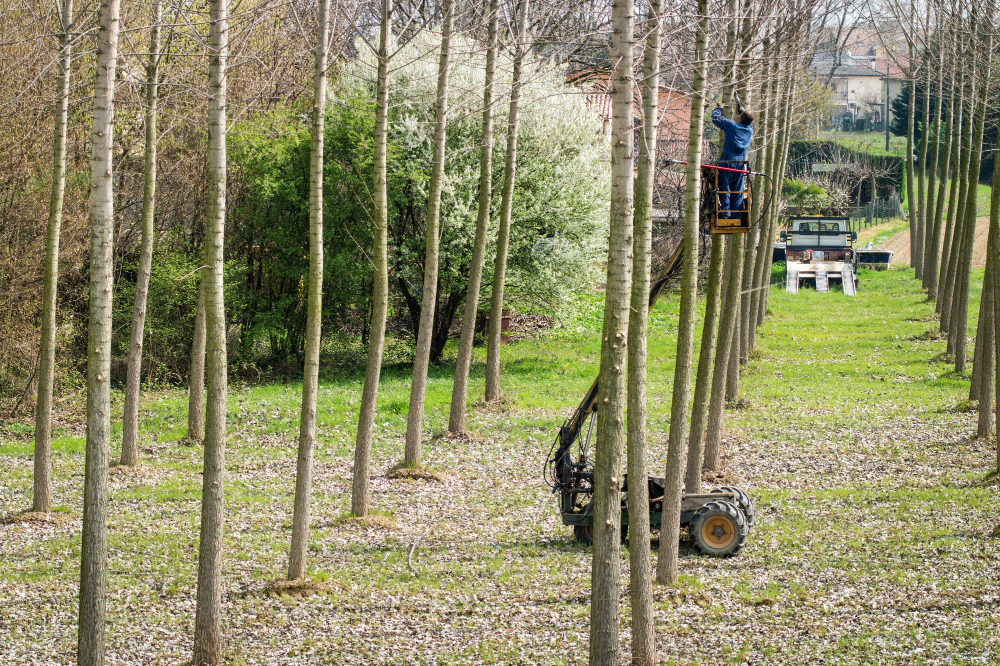
Figuring out how often you should trim your trees is one of those decisions that gets clearer once you know what's actually driving the timing. The right schedule isn't a single rule, it's a combination of your tree's age, species, location, and the kind of weather Ohio throws at it each year.
Trees need regular trimming to stay healthy and safe, but figuring out the right schedule can be confusing. Different trees have different needs based on their age, type, and growing conditions.
Most mature trees should be trimmed every 3 to 5 years, while younger trees need attention every 2 to 3 years. This timeline helps trees develop strong structure and prevents problems before they start. The exact schedule depends on several factors that affect how quickly your trees grow and change.
Understanding when to trim your trees protects your property and keeps your landscape looking good. Weather patterns, tree species, and warning signs all play a role in determining the best maintenance plan. Knowing what to look for makes it easier to give your trees the care they need.
In this article, we cover:
- Consequences of delaying tree trimming
- Growth rate differences among tree types
- Ohio weather's impact on tree maintenance
- Commonly overlooked signs that pruning is needed
- Benefits of timely and proper pruning
Keep reading to find out exactly how often your trees should be trimmed and how to spot the warning signs that say it's time.
Consequences of delaying tree trimming
Skipping regular tree trimming leads to real problems that affect both your trees and your property. Overgrown trees become weaker and more dangerous over time.
Overgrown limbs create storm hazards
Long, untrimmed branches become heavy and unstable. When high winds or ice storms hit, these extended limbs are more likely to break and fall. A single falling branch can damage your roof, car, fence, or power lines.
Overgrown limbs also grow too close to your home or other structures. They scrape against siding and gutters during windy conditions. This constant contact causes damage that gets worse with each storm.
Trees with unbalanced canopies are at higher risk during severe weather. When one side grows much heavier than the other, the entire tree becomes unstable. The weight distribution pulls the tree in one direction, making it more likely to topple completely during strong storms.
Dead branches encourage pests and disease
Dead or dying branches attract insects and fungi. Bark beetles, termites, and carpenter ants move into weakened wood. These pests spread from dead branches into healthy parts of your tree, and they're often the first warning signs of a dying tree.
Fungal infections start in damaged or dead wood and move through the tree. Once disease takes hold, it spreads faster in untrimmed trees because dead material stays attached. The infection can eventually kill the entire tree if left untreated.
Pest infestations don't stay in one tree. Insects and disease spread to other trees in your yard. What starts as one neglected tree can become a problem for your entire landscape.
Heavy canopies add stress to limbs
Dense, unpruned canopies trap moisture and block air circulation. This creates an environment where disease thrives. The lack of airflow keeps branches damp longer after rain, promoting fungal growth.
Thick canopies also block sunlight from reaching inner branches. These shaded branches weaken and die from lack of light. The tree wastes energy supporting dead wood instead of producing new growth.
The weight of an overgrown canopy strains the tree's structure. Main branches bend under excessive weight from smaller branches and leaves. This stress creates weak points where branches are likely to crack or split, especially during storms or when covered with snow and ice.
Growth rate differences among tree types
Different trees grow at vastly different speeds, which directly affects how often you need to prune them. Fast-growing species can add several feet per year and require more attention, while slow-growing mature trees might only need trimming every few years.
Fast-growing varieties need more frequent care
Trees like willows, poplars, and silver maples can grow 3 to 6 feet each year. This rapid growth means branches can quickly become overgrown or unbalanced.
You should plan to trim fast-growing trees every 1 to 2 years to maintain their shape and structural integrity. These species tend to develop weak branch attachments that can break during storms if left unchecked.
Some fast-growing varieties also produce water sprouts and suckers more frequently. These unwanted shoots drain energy from the main tree structure and should be removed during your regular pruning schedule.
Fruit trees fall into a similar category since they benefit from annual pruning to maximize production. The consistent attention helps direct energy toward fruit-bearing branches rather than excessive leafy growth.
Mature trees often require only basic maintenance
Once a tree reaches full size, its growth rate naturally slows down. Most mature shade trees like oaks, elms, and established maples only need pruning every 3 to 5 years.
Your main focus with mature trees shifts from shaping to maintenance. You'll remove dead or diseased branches, address safety concerns, and thin the canopy to allow proper air circulation. When a mature tree shows serious decline, the conversation often shifts to removal versus continued trimming.
Evergreen trees typically need even less frequent attention than deciduous varieties. Many conifers maintain their natural shape with minimal intervention and may only require trimming every 5 to 7 years.
The key is monitoring your mature trees regularly even if you're not actively pruning them. This helps you catch potential problems before they become serious hazards.
Young trees benefit from early pruning
Newly planted and young trees need more frequent pruning to establish proper structure. The first 3 to 5 years are critical for developing a strong framework. According to the Oklahoma State University Extension, proper pruning when a tree is young produces a structurally stronger, longer-lived tree that costs less to maintain, and training a tree early in life can lessen storm damage once it matures.
You should prune young trees annually during their establishment phase. This regular attention helps you select permanent scaffold branches and eliminate competing leaders early.
Early structural pruning prevents problems that would be much harder to fix later. Correcting a poorly angled branch on a young tree is simple, but the same issue on a mature tree might require major surgery.
Focus on removing crossed branches, maintaining a central leader, and establishing good spacing between main limbs. These early decisions shape the tree's entire future growth pattern and reduce the need for intensive pruning later.
Ohio weather's impact on tree maintenance
Ohio's climate creates specific challenges that affect how often trees need attention. Cold winters, wet springs, humid summers, and unpredictable storms all impact your tree trimming schedule Ohio residents should follow.
Spring reveals winter damage
Winter weather in Ohio puts serious stress on trees. Ice, snow, and freezing temperatures often crack branches and damage bark. When spring arrives, you can finally see what survived and what needs removal.
Walk around your property in early spring to inspect for broken or hanging branches. Look for splits in the bark and areas where ice pulled limbs away from the trunk. These weak points won't heal on their own and can become dangerous as leaves add weight.
Common spring damage includes:
- Cracked or split branches from ice weight
- Broken limbs from heavy snow
- Bark damage from temperature changes
- Dead sections that didn't survive the cold
Schedule pruning for late winter or early spring before buds open. This timing works best for most trees because they're still dormant and won't lose sap or energy from cuts.
Summer storms highlight weaknesses
Ohio summers bring thunderstorms with strong winds and heavy rain. These conditions expose problems you might not notice during calm weather. Trees with poor structure or overgrown branches often lose limbs during summer storms.
Pay attention after storms pass through your area. Hanging branches and partially broken limbs need immediate removal to prevent injury or property damage. Dead wood becomes obvious when surrounded by healthy green growth.
High humidity during Ohio summers also speeds up disease spread through open wounds. Avoid heavy seasonal tree trimming during July and August unless you're removing storm damage or safety hazards. Wait until fall or winter for routine maintenance when possible.
Ice accumulation stresses overgrown branches
Ice storms hit Ohio hard during winter months. Even a thin coating of ice adds massive weight to branches. Trees that haven't been properly trimmed carry extra growth that can't support ice loads.
According to the NOAA National Weather Service, ice accumulations of just a quarter inch or greater are enough to pull down trees and utility lines, resulting in widespread power and communication outages. Data from the Midwestern Regional Climate Center adds that even a half inch of ice on a tree branch or power line can add hundreds of pounds of weight, and once accumulations reach a half inch or more the truly crippling effects of an ice storm set in. Regular trimming reduces the surface area where ice can build up.
Trim trees before winter arrives to minimize ice damage risk. Remove branches that:
- Cross or rub against each other
- Grow at narrow angles to the trunk
- Extend far beyond the natural canopy
- Show signs of weakness or decay
Proper pruning helps trees shed ice naturally instead of breaking under the weight.
Commonly overlooked signs that pruning is needed
Many homeowners miss subtle warning signs that their trees need attention. Branches touching your home, shaded-out grass below the canopy, and lopsided growth patterns all indicate it's time to prune.
Limbs touching roofs or gutters
Branches that rest on or hang over your roof create multiple problems. They scrape shingles during windy conditions and wear away protective granules. This damage leads to leaks and costly repairs.
Limbs near gutters drop leaves, twigs, and debris directly into your drainage system. The buildup blocks water flow and causes gutters to overflow. During storms, these branches can break and crash through your roof.
You should trim any branch within 3 feet of your roofline. This distance prevents physical contact and reduces debris accumulation. It also stops squirrels and other animals from using branches as highways to your attic.
Check your trees after every major storm. Wind and ice make branches droop lower than normal, bringing them into contact with structures.
Branches shading out lawns
Dense tree canopies block sunlight from reaching your grass. When less than 4 hours of direct sun hits your lawn daily, grass becomes thin and patchy. You'll notice bare spots directly under large branches.
Trees that haven't been pruned in years develop thick interior growth. This creates dark zones where nothing grows underneath. Your lawn needs pruning to let dappled sunlight through.
Selective thinning removes specific branches to improve light penetration. This method keeps your tree's natural shape while helping grass below. You don't need to remove large limbs, just enough small branches to increase filtered light by 15-20%.
Look for moss or algae growing on your lawn. These plants thrive in shaded, damp conditions and signal that your tree canopy blocks too much sun. A well-balanced canopy also helps maintain your property's appeal when it's time to sell.
Uneven growth suggesting structural issues
Trees naturally grow toward sunlight, but extreme lopsided growth indicates structural weakness. When one side develops much heavier than the other, the tree becomes unbalanced. This weight distribution puts stress on the trunk and root system.
A leaning canopy often means the tree is compensating for damage or competition from nearby structures. The uneven weight increases the risk of the tree splitting during high winds or ice storms.
You should prune heavier sections to rebalance the canopy. Remove some weight from the dominant side to reduce stress on the trunk. This also encourages growth on the lighter side over the next few growing seasons.
Watch for V-shaped branch unions where two stems meet. These weak connections split more easily than U-shaped unions and need corrective pruning while the tree is young. A qualified arborist can identify these structural defects before they become safety issues.
Benefits of timely and proper pruning
Pruning your trees at the right time and using correct techniques protects their health while reducing long-term costs. These practices improve air circulation, prevent expensive emergencies, and allow professionals to spot problems before they become serious.
Strategic cuts improve airflow
Proper pruning opens up your tree's canopy to allow better air movement through the branches. This increased airflow helps leaves dry faster after rain, which reduces the chance of fungal diseases and bacterial infections taking hold.
When you remove crossing branches and thin out dense areas, sunlight can reach more parts of the tree. Interior branches get the light they need to stay healthy instead of dying off from shade. Your residential tree maintenance routine should focus on removing branches that rub together or grow inward toward the trunk.
Better airflow also means stronger branches. Wind can pass through an open canopy instead of pushing against a thick wall of leaves and limbs. This reduces the risk of major limbs breaking during storms, which protects your property and keeps the tree stable.
Routine pruning reduces emergency costs
Regular tree trimming costs less than dealing with storm damage or fallen branches. When you maintain your trees on a schedule, you remove weak or dying branches before they fall and cause damage to your roof, car, or power lines.
Trees that receive consistent care develop stronger structures over time. This means fewer emergency calls to tree services after heavy winds or ice storms hit. Tree care tips Ohio residents follow often emphasize preventive pruning in late winter, which prepares trees for spring growth and summer weather. The same logic applies after major events: prompt response to storm-damaged limbs prevents secondary problems from developing.
Insurance claims from tree damage can raise your rates. Preventive trimming shows you maintain your property responsibly. Small pruning jobs every few years cost far less than removing a large fallen limb or treating a diseased tree that spread infection to neighboring plants. Depending on the work involved, some larger trimming or removal projects may also require a city permit you'll want to handle ahead of time.
Experts detect hidden issues during maintenance
Professional arborists spot problems during routine pruning that most homeowners miss. They can identify early signs of disease, insect damage, or structural weakness before these issues threaten the entire tree.
Cracks in major limbs, decay in the trunk, or unusual fungal growth become visible when professionals work up close in the canopy. Catching these problems early often means simple treatments instead of tree removal. Your arborist might notice root problems, nutrient deficiencies, or pest infestations that show up in the branches first.
Regular visits also create a health history for your trees. The same professional can track changes over time and adjust care plans based on how each tree responds to treatment.
Conclusion
Tree trimming schedules depend on several key factors. Your tree's age, species, and health all play important roles in determining the right timing.
Most mature trees need trimming every three to five years. Young trees typically require more frequent attention, about every two to three years as they develop their structure. Fruit trees often benefit from annual pruning to maintain productivity and shape.
Evergreen trees generally need less frequent trimming than deciduous varieties. Fast-growing species may require more regular attention than slow-growing types.
Working with a professional arborist helps you create the right schedule for your trees. They can assess your specific situation and recommend timing that keeps your trees healthy and safe.
Regular trimming provides multiple benefits beyond appearance. It removes dead or diseased branches, improves air circulation, and reduces the risk of falling limbs. Proper timing also minimizes stress on your trees and supports strong, lasting growth.
Your trimming schedule should be flexible based on observations. If you notice dead branches, disease signs, or structural problems, address these issues promptly rather than waiting for your regular schedule. To put your trees on the right care schedule for your property, contact Premier Tree Specialists for a professional assessment from a local crew that knows Ohio trees and weather.
