


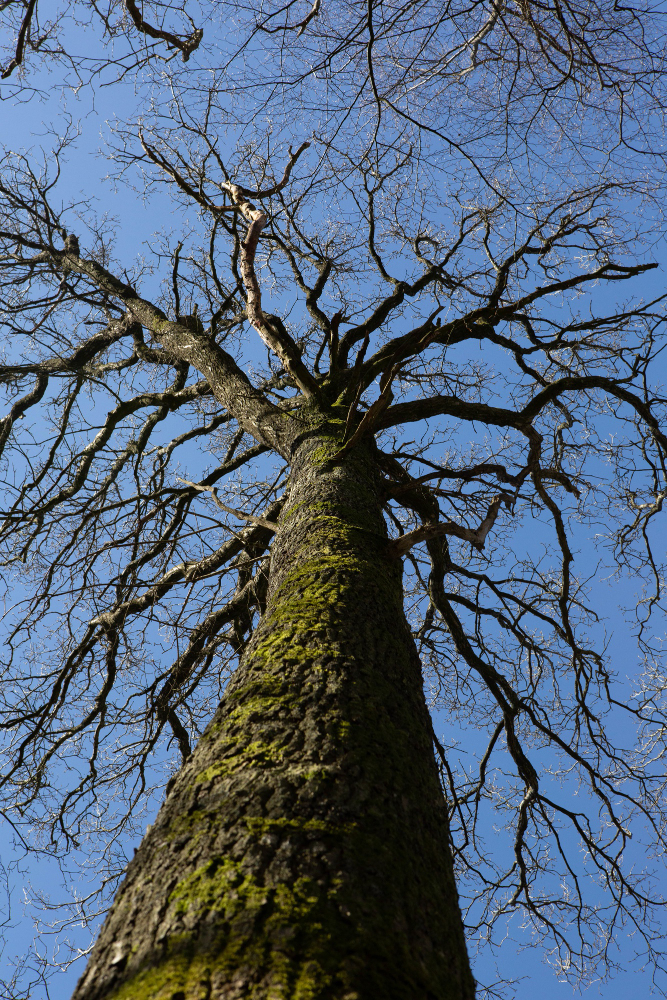
Recognizing the most common tree diseases in Ohio is one of the most useful skills any homeowner can build, because almost every species growing in this region has a serious threat working against it. The damage usually starts subtly, and the trees that survive are the ones whose owners spotted the symptoms early.
Ohio's trees face several health problems that can weaken or kill them if left untreated. From fungal infections to insect-related diseases, these issues affect many common tree species across the state. Understanding what to look for can help you protect your trees before serious damage occurs.
Catching tree health problems early gives you the best chance to save your trees and avoid expensive removals. Many diseases show warning signs on leaves, bark, or branches long before a tree becomes critically ill. Some diseases spread quickly through neighborhoods, while others work slowly underground where you can't see them.
This guide will help you spot the early signs of tree disease and understand the specific threats facing Ohio trees. You'll learn about the health challenges affecting ash trees, how to identify hidden root problems, and why regular inspections matter for your property.
In this article, we cover:
- Early warning signs of tree health issues
- Ongoing challenges with ash tree health
- Recognizing hidden root diseases
- The rapid spread of certain tree diseases
- Preventing costly damage through early inspections
Keep reading to learn how to recognize each of these Ohio tree threats before they spread, weaken your landscape, or force a costly removal.
Early warning signs of tree health issues
Most tree diseases show visible symptoms before serious damage occurs. Recognizing discolored leaves, fungal growth near the trunk, and dead branches helps you address problems while treatment is still effective. These overlap closely with the broader signs of a declining tree every Ohio homeowner should know.
Discolored leaves as an initial symptom
Your tree's leaves often show the first signs of disease. Yellow, brown, or spotted leaves during the growing season signal potential problems with nutrient uptake or infection.
Leaf discoloration appears in different patterns depending on the disease. Some infections create circular brown spots with yellow halos. Others cause leaves to turn yellow between the veins while the veins stay green.
Early leaf drop is another warning sign you should not ignore. When leaves fall off months before autumn, your tree is likely fighting off disease or severe stress. This premature loss weakens the tree further because it cannot produce enough food through photosynthesis.
Fungus near the trunk as an indicator of decay
Mushrooms or fungal growth at the base of your tree indicates internal decay. These fungi feed on dead or dying wood inside the trunk.
Shelf-like fungi, also called conks or brackets, attach directly to the bark. Their presence means the decay has already progressed significantly inside the tree. The fungal bodies you see are just the reproductive structures of a much larger organism breaking down the wood.
Soft or spongy bark near the ground level also points to decay. You can gently press on the bark with your thumb to check for abnormal softness. Healthy bark should feel firm and resist pressure.
Gradual spread of dead branches
Dead branches often start small in the upper canopy or outer edges of your tree. A few dead twigs are normal, but multiple dead branches indicate a larger problem.
Watch for branches without leaves during spring or summer. Dead wood appears brittle and dry compared to living branches. The bark may peel away easily, revealing bare wood underneath.
Branch dieback typically spreads from the tips downward toward the trunk. This pattern suggests root damage, vascular disease, or environmental stress. The speed of spread tells you how quickly the disease is progressing through your tree.
Ongoing challenges with ash tree health
Ash trees in Ohio face serious threats that weaken them quickly and create safety hazards. The emerald ash borer continues to damage trees across the state, while stressed trees show visible warning signs like bark problems and become dangerous during storms.
Emerald ash borer damage and rapid weakening
The emerald ash borer is an invasive beetle from Asia that has killed tens of millions of ash trees across North America. When adult beetles lay eggs in the bark crevices of your ash trees, the larvae hatch and tunnel into the wood where they feed on the tree's inner tissues.
This feeding disrupts the flow of water and nutrients throughout the tree. Your ash tree can decline rapidly once infested, often showing serious damage within just 1-2 years.
Common signs of emerald ash borer infestation include:
- Thinning canopy starting at the top of the tree
- D-shaped exit holes in the bark about 1/8 inch wide
- Increased woodpecker activity creating large holes in the bark
- S-shaped galleries under the bark where larvae feed
- Sprouting branches growing from the trunk
According to Ohio State University Extension, the exit holes of emerald ash borer are distinctly D-shaped and only about 1/8 to 1/4 inch wide, with the larvae's galleries confined to the phloem tissue just under the bark, which is what makes EAB so quickly fatal compared to native borers. The beetle has spread to dozens of states and continues to threaten ash tree populations throughout Ohio. Trees typically die within 3-4 years of initial infestation if left untreated.
Bark splitting as a stress signal
Bark splitting occurs when your ash tree experiences significant stress from disease, pest damage, or environmental factors. These vertical cracks in the bark expose the inner wood and create entry points for secondary infections.
Temperature fluctuations during winter can cause bark to expand and contract, leading to splits. Trees already weakened by emerald ash borer damage are especially vulnerable to this type of injury.
You might notice bark peeling away from the trunk in addition to vertical cracks. This happens when the tree's vascular system fails and can no longer support the outer bark layers. The exposed wood dries out and becomes more susceptible to fungal infections and rot.
Risks posed by dead ash trees during storms
Dead and dying ash trees become hazardous as their wood deteriorates quickly. Your property faces increased risk during storms when these weakened trees lose large branches or fall completely.
Ash wood loses strength faster than many other tree species after death. The structural integrity breaks down within 2-3 years, making the entire tree unstable. Branches can break off without warning, even during mild weather conditions, making the difference between trimming and full removal a critical decision.
You should watch for these danger signs:
- Large dead branches hanging in the canopy
- Leaning trunk position
- Mushrooms or fungal growth at the base
- Hollow sections in the trunk
- Root decay or exposed roots
Dead ash trees near homes, power lines, roads, or areas where people gather require immediate attention. Professional removal prevents property damage and protects your family from falling debris during high winds or heavy snow, sometimes requiring emergency response when conditions deteriorate fast.
Recognizing hidden root diseases
Root diseases often develop underground where you cannot see them, making early detection challenging. These infections weaken your tree's foundation and can lead to sudden failure if left untreated.
Soft soil around roots indicating decay
When you walk near your tree's base, the ground should feel firm and stable. Soft or spongy soil around the root zone signals that decay is breaking down the root system beneath the surface. You might notice the soil sinking or feeling loose when you step on it.
This soft texture happens because fungi digest the woody roots, leaving empty spaces in the soil. Press your foot gently around the tree base in different spots to check for unusual give. Areas with healthy roots will resist pressure, while diseased sections compress easily.
You should also look for fungal growth near the base, including mushrooms or conks. According to the University of Minnesota Extension, Armillaria root rot can infect many evergreen and deciduous trees, and infected trees frequently break or fall over in storms because the fungus decays both the roots and the lower trunk. Dark staining on exposed roots or a foul smell from the soil also indicates active rot.
Wilting leaves despite adequate water
Your tree's leaves may droop or wilt even when the soil has enough moisture. This happens because diseased roots cannot absorb water properly, no matter how much is available. The damage blocks the transport system that moves water from roots to leaves.
Check if the wilting affects the entire canopy or just certain branches. Root diseases often cause uneven symptoms, with one side of the tree declining first. The leaves may turn yellow or brown at the edges before wilting completely.
Feel the soil moisture before assuming your tree needs water. If the ground is damp but leaves still wilt during cool morning hours, root disease is likely the cause. This symptom appears most obvious during hot weather when trees need maximum water uptake.
Root rot and its impact on tree stability
Root rot destroys the structural support system that anchors your tree in the ground. As fungi consume the roots, your tree loses its ability to stay upright during storms or high winds. Trees with advanced root rot may lean suddenly or develop cracks in the soil around their base.
You can test stability by pushing firmly against the trunk at chest height. A healthy tree should not move, but one with root rot may rock slightly or show gaps where roots pull away from soil. This movement means the anchor roots have failed.
Trees with compromised stability pose serious risks to nearby structures and people. Large trees affected by root rot can topple without warning, especially after heavy rain softens the soil. Remove severely infected trees before they fall and cause damage.
The rapid spread of certain tree diseases
Tree diseases in Ohio can move quickly from one tree to another through multiple pathways, and wet weather conditions often speed up this process significantly. Without prompt treatment, infected trees pose serious risks to nearby plants and entire landscapes.
Fungal infections accelerated by wet weather
Wet spring conditions create ideal environments for fungal diseases to spread rapidly across Ohio properties. Rain and humidity help fungal spores travel through the air and settle on healthy trees nearby.
Powdery mildew thrives in damp conditions and can cover leaves in a white coating within days of infection. The spores spread easily when wet leaves brush against each other or when water splashes from infected branches.
Cedar apple rust requires moisture to release its orange spore masses, which can travel several hundred feet on wind currents during rainy periods. A single infected tree can spread spores to multiple apple or crabapple trees in your neighborhood during one wet spring.
Needlecast diseases affect evergreens and spread fastest during prolonged periods of rain and high humidity. The fungal spores multiply rapidly on wet needles and move to nearby trees through water droplets and wind.
Invisible spread to nearby trees
Many tree diseases spread through underground root connections that you cannot see from above ground. Trees growing close together often share root grafts that allow pathogens to move directly from sick trees to healthy ones.
This is exactly how oak wilt moves through Ohio neighborhoods. According to the Ohio State University Ohioline, oak wilt is a serious and often deadly vascular disease that has been reported from the majority of Ohio's 88 counties, with trees in the red-black oak group able to die within a few weeks of infection. Root-based diseases like this one can travel between trees of the same species without showing visible symptoms for months or even years. By the time you notice problems in your tree canopy, the disease may have already infected multiple trees through their connected root systems.
Insects carry certain diseases from tree to tree as they feed and move through your property. These tiny carriers make disease spread nearly impossible to track with the naked eye.
Airborne spores from fungal infections travel on wind currents and settle on trees throughout your yard and neighboring properties. You might not realize your tree is infected until weeks after the initial spore contact.
Consequences of delayed treatment
Untreated tree diseases weaken your trees and make them vulnerable to additional problems like pest infestations and storm damage. A diseased tree loses its ability to transport water and nutrients properly, which leads to branch dieback and eventual tree death.
The longer you wait to address a tree disease, the more trees on your property become at risk. What starts as one infected tree can quickly become a widespread problem affecting multiple specimens.
Dead and dying trees pose safety hazards to your home, vehicles, and family members. Weakened branches can fall without warning, and entire trees may topple during storms.
Property values decline when diseased trees create an unhealthy landscape appearance. Removing multiple dead trees costs significantly more than treating diseases in their early stages, and well-maintained, healthy trees can support property value over time.
Preventing costly damage through early inspections
Early detection saves money and protects your trees from serious harm. Regular inspections help catch problems before they spread and become expensive to fix.
Arborist identification of early disease signs
Professional arborists know what to look for when examining your trees. They can spot subtle changes in bark texture, leaf color, and branch structure that most property owners miss. Working with an ISA-certified arborist means your inspection follows industry-standard diagnostic protocols.
Trained experts identify fungal growth patterns before they become visible to the untrained eye. They look for small cankers, unusual sap flow, and discolored spots on leaves during different seasons. Many fungal and bacterial diseases lie dormant through winter and become active in spring.
Arborists use specialized tools to test for internal decay and root problems. They check the soil around your trees and examine the overall tree structure. This level of inspection catches diseases in their earliest stages when treatment is most effective and least expensive.
Benefits of proper pruning techniques
Correct pruning improves air circulation through the tree canopy. Better airflow reduces moisture buildup that creates ideal conditions for fungal diseases to develop.
Strategic cuts remove crossing branches that rub together and create wounds. These wounds often become entry points for pathogens. Proper pruning also directs the tree's energy toward healthy growth instead of maintaining weak or damaged branches.
Timing matters when you prune your trees. Most trees benefit from pruning during their dormant season when disease spread is less likely, which is why the best time to trim trees in Northeast Ohio is a critical part of any tree care plan. Clean, sharp tools prevent ragged cuts that heal slowly and invite infection.
Protecting trees by removing diseased limbs
Removing infected branches stops diseases from spreading to healthy parts of the tree. Quick action prevents pathogens from moving through the vascular system.
Diseased limbs should be cut several inches below the visible infection. This ensures you remove all affected tissue. The cutting tools must be sanitized between cuts to avoid transferring pathogens to healthy wood.
Tree fungus treatment works best when combined with proper sanitation. You need to dispose of all removed material away from healthy trees. Burning or chipping infected branches prevents spores from spreading to nearby trees.
Some infections require immediate removal of large sections of the tree. Waiting too long can result in total tree loss and potential damage to surrounding plants.
Conclusion
Protecting your trees from diseases in Ohio requires regular attention and care. You need to watch for signs of problems like leaf spots, cankers, wilting, and unusual discoloration. Early detection makes treatment easier and more effective.
Your trees will stay healthier when you follow basic care practices. Water them properly, prune dead or diseased branches, and keep the area around them clean. Remove fallen leaves and fruit that might harbor diseases.
- Contact a certified arborist when you notice serious problems
You can prevent many tree diseases by choosing the right species for your location. Native trees often resist local diseases better than non-native species. Space your trees properly to allow good air circulation.
Some diseases require professional treatment with fungicides or other specialized care. You should not attempt to treat severe infections on your own. A tree care professional can identify the specific disease and recommend the best treatment plan.
Your efforts to monitor and maintain your trees protect both your property and Ohio's forests. To get an expert diagnosis of any disease symptoms you've noticed on your trees and a clear treatment or removal plan, contact Premier Tree Specialists for a professional inspection.
